
Is your facility aligned with the latest National Electrical Code requirements?
The National Electrical Code (NEC[SM16.1]) establishes minimum requirements for the safe installation of electrical systems to help protect people and property from electrical hazards. ERS provides testing, commissioning, maintenance, and technical consulting services that help organizations evaluate electrical systems, identify potential code-related issues, and support compliance with the latest NEC requirements.

What is the National Electrical Code (NEC)?
The National Electrical Code (NEC), also known as NFPA 70®, National Electrical Code, is the benchmark for the safe installation of electrical wiring, equipment, and systems throughout the United States. Updated every three years, the NEC establishes minimum requirements that help reduce electrical hazards, improve system safety, and promote consistent electrical installation practices across commercial, industrial, healthcare, utility, and institutional facilities.
While the NEC primarily applies to the design and installation of electrical systems, organizations should also evaluate existing infrastructure when expanding facilities, replacing equipment, or modernizing electrical systems to help align with current code requirements and industry best practices.
Key requirements of the National Electrical Code (NEC)
- Safe electrical installations
The NEC establishes minimum installation requirements for electrical equipment, wiring methods, overcurrent protection, grounding, and electrical distribution systems to help protect people and property from electrical hazards.
- Code-Compliant equipment installation
Electrical equipment should be installed in accordance with the NEC, manufacturer instructions, and applicable listing requirements to promote safe operation, accessibility, and long-term reliability.
- Inspection & acceptance testing
Newly installed or modified electrical equipment should be inspected and tested before being placed into service to verify proper installation, identify deficiencies, and establish a reliable baseline for operation.
- Grounding & bonding
Proper grounding and bonding are essential components of the NEC, helping reduce shock hazards, provide effective fault current paths, and support the safe operation of electrical systems.
- Overcurrent protection
Proper application and coordination of overcurrent protective devices help protect electrical conductors and equipment from overloads and short circuits while supporting overall system safety.
- Ongoing code updates
The NEC is updated every three years to address new technologies, installation methods, and electrical safety practices. Organizations should evaluate new installations, renovations, and system modifications against the latest adopted edition of the code and applicable local requirements.
NEC Compliance Support Services from ERS
Supporting compliance with the National Electrical Code requires a combination of engineering expertise, electrical testing, commissioning, and maintenance. ERS provides a comprehensive portfolio of services that help organizations evaluate electrical systems, verify installation quality, and support safe, reliable electrical infrastructure.
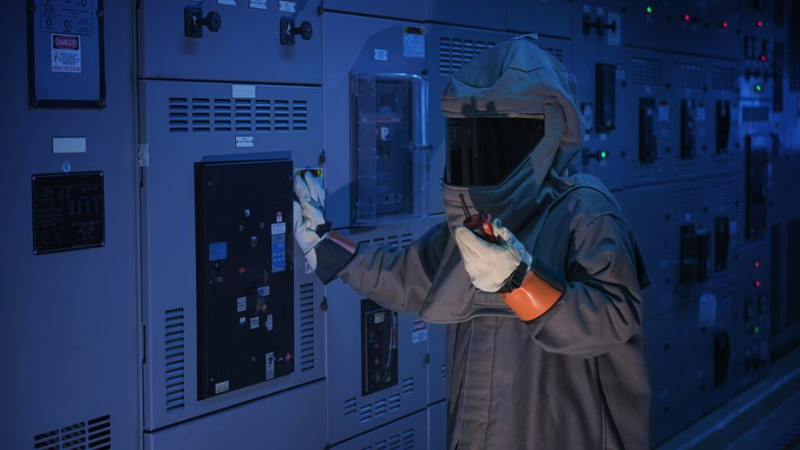
Electrical system modifications, equipment replacements, and distribution system changes can affect arc flash hazards. Arc Flash Studies evaluate electrical systems following these changes to calculate incident energy levels, update equipment labeling, and support workplace electrical safety.

Properly maintained electrical equipment contributes to safer system operation and long-term reliability. Routine maintenance and electrical testing help organizations identify deteriorating equipment, evaluate system condition, and support the continued safe operation of electrical infrastructure throughout its lifecycle.

The NEC establishes installation requirements designed to promote the safe operation of electrical systems before they are placed into service. Electrical Acceptance Testing helps verify that newly installed or modified electrical equipment has been installed correctly, operates as intended, and is ready for safe energization while identifying potential installation deficiencies before they impact system performance.
FAQs
What is the National Electrical Code (NEC)?
The National Electrical Code (NEC), also known as NFPA 70, establishes minimum requirements for the safe installation of electrical wiring, equipment, and systems to help protect people and property from electrical hazards.
Who adopts the National Electrical Code?
The NEC is developed by the National Fire Protection Association (NFPA) and is adopted by state and local jurisdictions. Adoption schedules and code editions vary by jurisdiction.
How often is the National Electrical Code updated?
The National Electrical Code is updated every three years to address new technologies, installation methods, electrical equipment, and evolving safety practices.
Does the NEC apply to existing electrical installations?
The NEC primarily applies to new installations and modifications. Existing electrical systems may be evaluated during renovations, equipment replacements, facility expansions, or when required by the authority having jurisdiction (AHJ).
Why is Electrical Acceptance Testing important?
Electrical Acceptance Testing verifies that newly installed or modified electrical equipment has been installed correctly, performs as intended, and is ready for safe energization before being placed into service.
How can engineering evaluations support NEC compliance?
Engineering evaluations help organizations assess electrical infrastructure, identify potential code-related concerns, evaluate system modifications, and support informed decisions that improve electrical safety and system performance.
What is the difference between the NEC and NFPA 70E?
The National Electrical Code (NEC) establishes minimum requirements for the safe installation of electrical wiring, equipment, and systems. NFPA 70E, Standard for Electrical Safety in the Workplace, establishes requirements for protecting employees who work on or near electrical equipment through safe work practices, hazard identification, risk assessments, and employee training. In simple terms, the NEC focuses on how electrical systems are installed, while NFPA 70E focuses on how employees safely interact with those systems after they are installed and energized.
