
Is your new electrical equipment ready to energize?
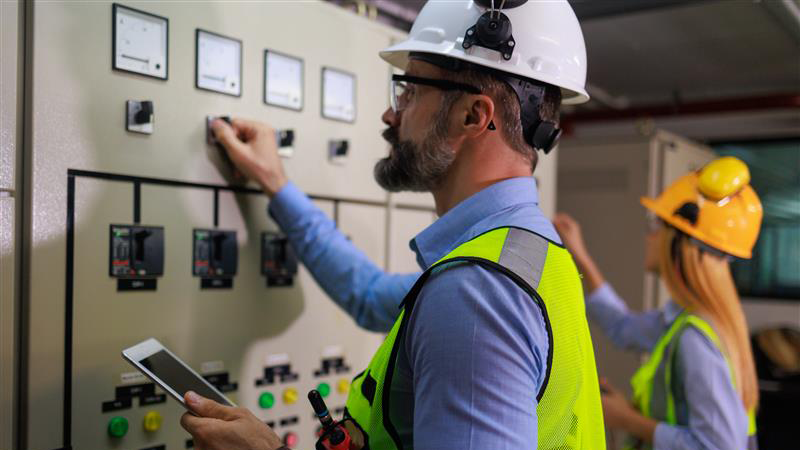
Electrical equipment can appear installation-ready while still having connection issues, incorrect settings, installation deficiencies or equipment problems that may not become apparent until energization. ERS electrical acceptance testing evaluates newly installed electrical power equipment and systems before they are placed into service, helping identify issues early and providing documentation to support initial energization and final acceptance.
Why acceptance testing matters

Identify electrical equipment issues before energization
Shipping, storage, installation, and wiring can introduce defects that compromise electrical equipment performance. Electrical acceptance testing helps identify potential issues before energization, reducing the risk of equipment damage, premature failure, and unplanned downtime.

Verify electrical system readiness and reliability
Identifying electrical equipment deficiencies before a facility becomes operational allows contractors, manufacturers, and project teams to address issues early. Proactive acceptance testing helps minimize startup delays, costly repairs, and unexpected operational disruptions.

Minimize startup delays and costly rework
Identifying electrical equipment deficiencies before a facility becomes operational allows contractors, manufacturers, and project teams to address issues early. Proactive acceptance testing helps minimize startup delays, costly repairs, and unexpected operational disruptions.
Electrical acceptance testing standards and requirements
ANSI/NETA ATS-2025
The ANSI/NETA Standard for Acceptance Testing Specifications for Electrical Power Equipment and Systems outlines inspections and field testing used to evaluate newly installed electrical equipment before initial energization and final acceptance.
Testing helps verify that equipment is operational, installed according to design specifications, and performing within applicable standards and manufacturer tolerances.
ANSI/NETA ECS-2024
ANSI/NETA ECS provides guidance for electrical commissioning of newly installed or retrofitted electrical systems. Commissioning takes a broader system-level approach, incorporating testing, measurements, inspections, and performance verification.
The process helps determine whether the completed electrical system aligns with the owner’s project requirements and basis of design.
Project and manufacturer requirements
Acceptance testing requirements may also be defined by equipment manufacturers, project specifications, design documents, owner requirements, and other applicable electrical standards.
Reviewing these requirements before testing begins helps establish the appropriate scope, procedures, and acceptance criteria for the project.
Acceptance testing vs. commissioning
| Acceptance testing | Commissioning |
| It evaluates electrical equipment and systems for suitability for initial energization and final acceptance. | It evaluates the broader electrical system and verifies that equipment and system performance align with the owner's project requirements and basis of design. |
*ERS can support both acceptance testing and broader electrical commissioning needs depending on the scope of the project.
Our process
What to expect from ERS performing acceptance testing
From initial project review through final reporting, ERS follows a structured acceptance testing process designed to identify potential equipment or installation issues before electrical systems are placed into service.
Prepare
- Meet with your team to understand project goals and testing requirements
- Review available drawings, specifications and equipment information
- Identify questions, exceptions or additional information needed before testing begins
Clarify
- Define the detailed acceptance testing scope
- Review project-specific requirements, deviations and exceptions
- Coordinate testing plans, scheduling and site expectations with the project team
Execute
- Conduct project kickoff and confirm testing requirements
- Perform visual, mechanical and electrical testing based on the defined scope
- Participate in applicable commissioning coordination
- Document testing results, discrepancies and project updates throughout testing
Report
- Review test results against applicable standards and project requirements
- Provide comprehensive project documentation that may include:
- Electrical testing results
- Identified deficiencies or exceptions
- Recommended corrective actions
- Completed testing forms and documentation
Review
- Conduct a final project review
- Discuss findings and outstanding items
- Identify recommended next steps for corrective work, retesting or system optimization
- Establish a path toward future maintenance testing and electrical reliability support
What you will receive
Deliverables from an ERS acceptance testing project
Acceptance testing provides documented information about the condition and performance of newly installed electrical equipment at the time of testing.
Depending on the project scope, deliverables may include:
- Equipment inspection and test results
- Electrical test data
- Visual and mechanical inspection findings
- Equipment nameplate and identification information
- Documentation of identified deficiencies or exceptions
- Comparison of results with applicable acceptance criteria
- Recommended corrective actions or additional evaluation
- Completed testing forms
- Final project report
- Documentation to support project closeout and final acceptance
*Testing requirements and deliverables vary based on equipment, project specifications, and customer needs.
Electrical equipment ERS performs acceptance testing on
ERS provides acceptance testing for a wide range of electrical power distribution equipment and systems.
Switchgear and switchboards
Testing and inspection of low- and medium-voltage switchgear and switchboards can help identify installation issues, connection problems, and equipment deficiencies before the equipment enters service.
Circuit breakers
Acceptance testing can evaluate low- and medium-voltage circuit breakers and their operating characteristics, electrical condition and protective functions based on applicable testing requirements.
Transformers
Transformer acceptance testing can evaluate newly installed equipment and establish baseline test data prior to normal operation.
Protective relays
Testing can verify relay operation, settings, and applicable protective functions before the system is placed into service.
Power cables
Cable acceptance testing can help evaluate the condition of newly installed low- and medium-voltage power cables before energization.
Grounding systems
Grounding system inspections and testing can evaluate installed grounding components and electrical characteristics based on project requirements.
Automatic transfer switches
Acceptance testing can evaluate operation and functionality of automatic transfer switches and associated controls.
Motor control centers
Testing and inspection of motor control centers can help identify installation, connection or equipment issues before startup.
Motors
Electrical testing can provide baseline information on newly installed motors prior to normal operation.
Generators
Testing may support evaluation of generator electrical systems, controls and associated distribution equipment as part of a broader acceptance or commissioning scope.
UPS systems
Acceptance testing can support verification of newly installed uninterruptible power supply equipment and associated electrical distribution components.
Batteries and battery systems
Battery systems may be included within an acceptance testing scope based on system design, project requirements and applicable standards.
Instrument transformers
Current transformers, potential transformers and other instrument transformers may be evaluated as part of protective and metering system testing.
Surge protection equipment
Inspection and testing requirements may be incorporated for applicable surge protection equipment and systems.
What our customers say
"The service engineers perform the thorough testing procedures and provide daily updates to meet the completion goals."
Why ERS
Why facilities choose ERS for acceptance testing
- Nationwide expertise, local delivery
ERS supports acceptance testing projects across the country, giving multi-site customers a consistent approach to testing, documentation, and project execution without coordinating multiple regional providers.
- NETA Level 3 and 4 certified technicians
ERS maintains highly qualified field technicians with advanced NETA certifications. Testing is performed by experienced professionals trained to evaluate electrical equipment in accordance with applicable NETA acceptance testing standards and manufacturer requirements.
- 1.1 million completed projects
Extensive experience across electrical distribution systems gives ERS the depth to support acceptance testing for a wide range of equipment and facility types. More than 1 million assets have been supported across ERS project work.
- Founding member of NETA
ERS can coordinate acceptance testing across multiple facilities and project locations, helping customers standardize testing procedures, documentation, scheduling, and reporting across complex portfolios.
- Multisite capabilities
ERS can coordinate acceptance testing across multiple facilities and project locations, helping customers standardize testing procedures, documentation, scheduling, and reporting across complex portfolios.
- Standards expertise
ERS professionals actively participate in industry organizations and standards development, including NETA, NFPA, and IEEE. Testing programs reflect current industry requirements, recommended practices, and applicable equipment standards.
- Comprehensive acceptance testing
ERS can test electrical equipment throughout the power distribution system, including transformers, switchgear, circuit breakers, protective devices, cables, grounding systems, and other critical components before equipment is placed into service.
- Clear testing documentation
Customers receive documented test results that identify equipment condition, test findings, and deficiencies requiring attention before energization, commissioning, or final project turnover.
- Integrated electrical services
When testing identifies an issue, ERS can provide additional electrical testing, power system studies, maintenance, troubleshooting, and corrective services through a single service provider.
- Support available 24/7
When equipment deficiencies, startup issues, or unexpected electrical problems threaten a project schedule, ERS provides access to technical resources and emergency electrical support 24/7.
Industries we serve
ERS provides electrical acceptance testing for facilities with critical and complex power distribution systems across a range of industries.
Data centers
Testing for critical electrical infrastructure supporting data center construction, expansion and equipment upgrades.
Manufacturing
Acceptance testing for new production facilities, plant expansions and electrical equipment replacements.
Healthcare
Electrical testing for infrastructure supporting hospitals, healthcare facilities and other environments where power reliability is critical.
Commercial facilities
Testing for new electrical distribution equipment and building infrastructure.
Utilities
Testing services for applicable utility and power distribution equipment and systems.
Government
Acceptance testing support for government facilities, infrastructure projects and electrical system upgrades.
Transportation
Testing for electrical infrastructure supporting transportation and related facilities.
Energy and renewables
Electrical testing for applicable generation, renewable energy and energy infrastructure projects.
Oil, gas and petrochemical
Testing for electrical equipment supporting industrial and process facilities.
Education
Acceptance testing for campus expansions, new construction and electrical infrastructure upgrades.
Find electrical problems before energization
Equipment deficiencies discovered before energization can often be addressed while the project team, contractors and manufacturers are still actively involved.

Project delays
Electrical problems discovered during startup can interfere with commissioning schedules, facility turnover and planned operations.

Unexpected equipment issues
Installation or equipment problems that are not identified before energization may become operational issues after the facility is placed into service.
Corrective work
Identifying deficiencies early can give project teams more time to investigate, repair, replace or retest affected equipment before final project closeout.
A complete electrical testing partner
ERS supports your electrical systems from initial acceptance through ongoing operation
Acceptance testing is the starting point for understanding the condition and performance of newly installed or modified electrical equipment. ERS can support your project before energization with acceptance testing, during startup with commissioning support, and throughout the equipment lifecycle with maintenance testing, power system studies, troubleshooting, and other electrical reliability services.
With ERS, customers can work with one provider from initial installation and project turnover through future maintenance and system upgrades.

FAQs
What is electrical acceptance testing?
Electrical acceptance testing consists of inspections and field tests performed on newly installed or modified electrical equipment and systems to evaluate their condition and suitability for initial energization and final acceptance.
When should electrical acceptance testing be performed?
Acceptance testing is generally performed after equipment installation and before the equipment is placed into normal service. Testing schedules should be coordinated with construction, commissioning and startup activities.
What equipment can be included in acceptance testing?
Acceptance testing may include switchgear, switchboards, circuit breakers, transformers, cables, protective relays, motor control centers, grounding systems, transfer switches, motors, generators, UPS systems and other electrical equipment.
What is NETA acceptance testing?
NETA acceptance testing refers to testing performed using applicable specifications contained within the ANSI/NETA Standard for Acceptance Testing Specifications for Electrical Power Equipment and Systems.
What is the difference between acceptance testing and commissioning?
Acceptance testing focuses on assessing electrical equipment and systems for initial energization and final acceptance. Commissioning takes a broader approach and verifies that the completed electrical system meets project requirements and the intended basis of design.
What is the difference between acceptance testing and maintenance testing?
Acceptance testing is typically performed on newly installed or modified equipment before it enters service. Maintenance testing evaluates equipment that is already in operation and helps assess its suitability for continued service and condition over time.
What happens if equipment does not meet acceptance criteria?
Testing results may identify deficiencies, exceptions or values requiring additional investigation. The appropriate next step may include corrective work, additional evaluation or retesting depending on the equipment and project requirements.
Does new electrical equipment need to be tested before energization?
Testing requirements depend on project specifications, equipment, applicable standards and owner requirements. Acceptance testing provides an independent means of evaluating newly installed electrical equipment before it enters normal operation.
