
Is your facility prepared to protect employees from electrical hazards?
NFPA 70E, Standard for Electrical Safety in the Workplace®, establishes requirements for protecting employees from electrical hazards through safe work practices, hazard identification, employee training, and risk assessments. ERS helps organizations support compliance through arc flash studies, electrical safety program development, NFPA 70E training, shock and arc flash risk assessments, labeling, and technical consulting that strengthen workplace electrical safety, reduce risk, and support long-term compliance.

What is NFPA 70E?
NFPA 70E, Standard for Electrical Safety in the Workplace®, establishes requirements for protecting employees from electrical hazards associated with the installation, operation, maintenance, and repair of electrical equipment. The standard provides a framework for implementing electrical safety programs, performing risk assessments, establishing safe work practices, and protecting qualified workers from arc flash and shock hazards.
An effective electrical safety program helps organizations identify and reduce workplace electrical hazards through engineering analysis, documented procedures, employee training, appropriate personal protective equipment (PPE), and ongoing program management. By implementing consistent electrical safety practices, facilities can improve worker safety, reduce operational risk, and support compliance with current electrical safety requirements.
Core elements of an effective NFPA 70E program
Protecting employees from electrical hazards requires more than Power System Studies alone. NFPA 70E promotes a comprehensive approach to workplace electrical safety through documented programs, hazard assessments, employee training, safe work practices, and ongoing evaluation of electrical systems. Organizations should regularly review these core elements to strengthen electrical safety programs and support compliance with NFPA 70E.
-
Electrical safety program
Establish and maintain a documented electrical safety program that defines responsibilities, policies, procedures, and safe work practices for employees who work on or near electrical equipment.
-
Safe work practices
Develop procedures that prioritize establishing an electrically safe work condition whenever possible and define the controls required when energized work cannot be avoided.
-
Personal Protective Equipment (PPE)
Select and maintain PPE appropriate for the identified electrical hazards and the results of arc flash and shock risk assessments.
-
Arc flash risk assessments
Evaluate electrical systems to identify arc flash hazards, determine incident energy levels, establish arc flash boundaries, and identify appropriate protective measures before energized work is performed.
-
Employee training
Provide ongoing training so qualified and unqualified employees understand electrical hazards, safe work practices, personal protective equipment (PPE), and their responsibilities under NFPA 70E.
-
Equipment maintenance
Maintain electrical equipment in accordance with manufacturer recommendations and applicable standards, recognizing that properly maintained equipment contributes to safer operation and more accurate hazard assessments.
Services that support NFPA 70E compliance from ERS
Organizations rely on a combination of power system studies, maintenance, testing, and training to support the key elements of an effective NFPA 70E electrical safety program. ERS provides comprehensive electrical services that help organizations reduce workplace electrical hazards, improve system reliability, and support long-term electrical safety initiatives.
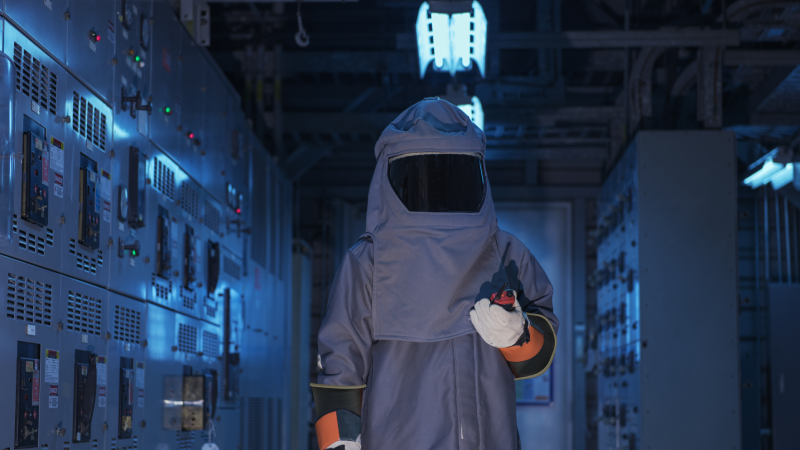
NFPA 70E requires employers to perform an arc flash risk assessment to identify hazards, estimate the likelihood and severity of injury, and determine appropriate protective measures before employees work on or near energized equipment. Arc flash studies provide the analysis needed to calculate incident energy, establish arc flash boundaries, and support equipment labeling in accordance with NFPA 70E requirements.

NFPA 70E recognizes that the condition of electrical equipment directly affects employee safety. Equipment that is not properly maintained can increase the likelihood of electrical failures, arc flash incidents, and shock hazards. Routine maintenance and electrical testing help organizations maintain equipment in a condition that supports safer operation and complements an effective electrical safety program.
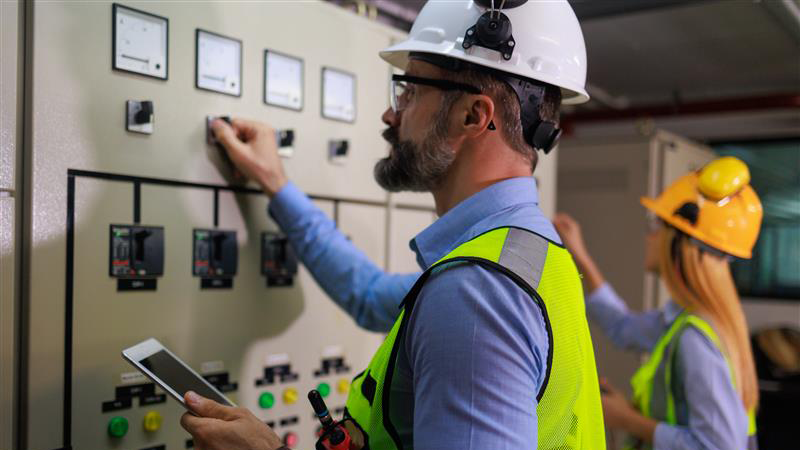
A safe electrical system begins before equipment is placed into service. Electrical acceptance testing helps verify that newly installed or modified equipment is installed correctly and operating as intended, reducing the potential for hidden deficiencies that could increase electrical hazards or affect long-term workplace safety. Acceptance testing establishes a reliable foundation for future maintenance and electrical safety initiatives.

Employee training is a fundamental requirement of NFPA 70E. Organizations are responsible for training employees to recognize electrical hazards, understand safe work practices, and use appropriate personal protective equipment (PPE). ERS provides electrical safety training that helps organizations build knowledgeable, confident employees while supporting compliance with NFPA 70E requirements.
FAQs
Is NFPA 70E required by OSHA?
While OSHA does not adopt NFPA 70E as a regulation, the standard is widely recognized as a best practice for electrical safety in the workplace and is frequently referenced to help organizations develop electrical safety programs and safe work practices.
Does NFPA 70E require an arc flash study?
NFPA 70E requires employers to perform an arc flash risk assessment. Arc flash studies provide the analysis used to determine incident energy levels, arc flash boundaries, and equipment labeling that support those assessments.
How often should an arc flash study be updated?
NFPA 70E recommends reviewing and updating arc flash studies at intervals not to exceed five years or whenever significant changes are made to the electrical distribution system.
How often should arc flash labels be reviewed?
Arc flash labels should be reviewed whenever an arc flash study is updated or when modifications to the electrical system could affect incident energy calculations or equipment labeling.
Who should receive NFPA 70E training?
Employees who may be exposed to electrical hazards should receive training appropriate to their job responsibilities. Qualified persons require additional training on electrical hazards, safe work practices, PPE, and risk assessment procedures.
What is considered a qualified person under NFPA 70E?
A qualified person has demonstrated the skills and knowledge necessary to recognize electrical hazards, understand the construction and operation of electrical equipment, and safely perform assigned work in accordance with NFPA 70E.
What is the difference between an arc flash study and an arc flash risk assessment?
An arc flash study is an analysis that calculates available fault current, incident energy levels, arc flash boundaries, and equipment labeling requirements based on the electrical distribution system. An arc flash risk assessment, as required by NFPA 70E, uses the results of the arc flash study along with the specific work task, equipment condition, and likelihood of occurrence to determine appropriate risk reduction measures and personal protective equipment (PPE) requirements before work is performed.
